How Does a Care Home Support You in Maintaining Your Independence?
Independence is something that holds deep value at every stage of life, including during physical and mental decline. For many older adults, maintaining choice and purpose in daily life is key to their well-being. Moving into a care home does not mean giving up independence, it means receiving the right support to continue living as fully and freely as possible. Modern care homes are designed not only to meet personal and medical needs but also to empower residents to lead more independent lives in a safe and supportive environment.
In this blog, we explore how care homes support their residents with maintaining their independence, while still providing the highest levels of ongoing care where it is appropriate.
Understanding and Promoting Independence in Care Homes
In a care home, independence means having the freedom to make choices about your daily activities while receiving support with tasks that have become more challenging. Whether that involves deciding what time to get up, which activities to join, or how personal care is delivered, maintaining control remains central to well-being.
Promoting independence in health and social care settings is a top priority. Care providers aim to create environments that help residents live independently and confidently, providing support only when and where it is needed. Staff are trained to recognise when assistance is appropriate and when gentle encouragement allows residents to continue managing tasks on their own. This balance is vital to preserving dignity and building more confidence in everyday life.
Personalised Care Planning
Every resident moving into a care home begins their journey with an initial assessment that looks at their health and lifestyle. This process is used to develop a personalised care plan that outlines what type of care is most appropriate and how much independence they are able to maintain. It ensures no two residents are treated the same and that their care solutions align with their routines and goals.
This tailored approach not only ensures people receive the right care at the right time but also encourages independence by identifying areas where residents can continue taking the lead. Whether that is managing their own health routines, deciding on meal preferences, or deciding on their everyday tasks, personalised planning keeps the focus on choice and control.

Encouraging Independence in Daily Routines
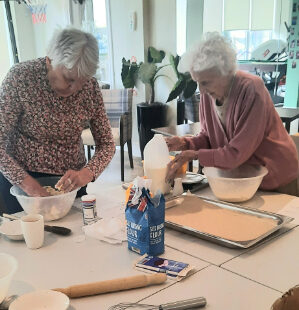
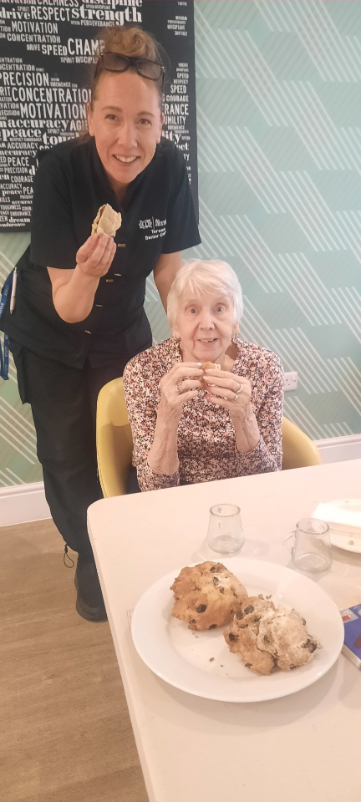
Care homes play an important role in encouraging independence through everyday activities. Residents are supported to stay involved in as much of their personal care as they wish to handle. For instance, they may choose their own clothes each morning, go and get their own snacks and drinks, or remain responsible for small household tasks like watering plants. Every contribution, no matter how small, helps residents maintain a sense of accomplishment and routine.
Staff provide guidance rather than taking over, ensuring residents feel capable and valued. This careful balance of assistance and autonomy strengthens self-esteem and trust for residents, especially during the beginning of their care journey.
Supporting Physical Health and Well-Being
Maintaining independence also includes staying physically active and healthy. Care homes promote physical well-being through activity programmes that are tailored to individual ability levels. Gentle exercise, walking groups, tai chi and chair-based workouts all encourage movement while ensuring residents remain safe. Regular physical activity helps maintain muscle strength and mobility, which can reduce the risk of falls or illness.
Nutrition plays a vital part in overall health and independence. Residents are encouraged to make their own choices from well-balanced meal options that accommodate personal preferences and cultural backgrounds. This not only improves appetite and energy but also reinforces residents’ ability to influence their own care journey through choice and participation.
Supporting Mental Health and Emotional Well-Being
Independence is as much about emotional freedom as it is about physical ability. Feeling confident and included are key components of maintaining mental health. Care homes promote positive mental well-being by encouraging both social connections and moments of reflection.
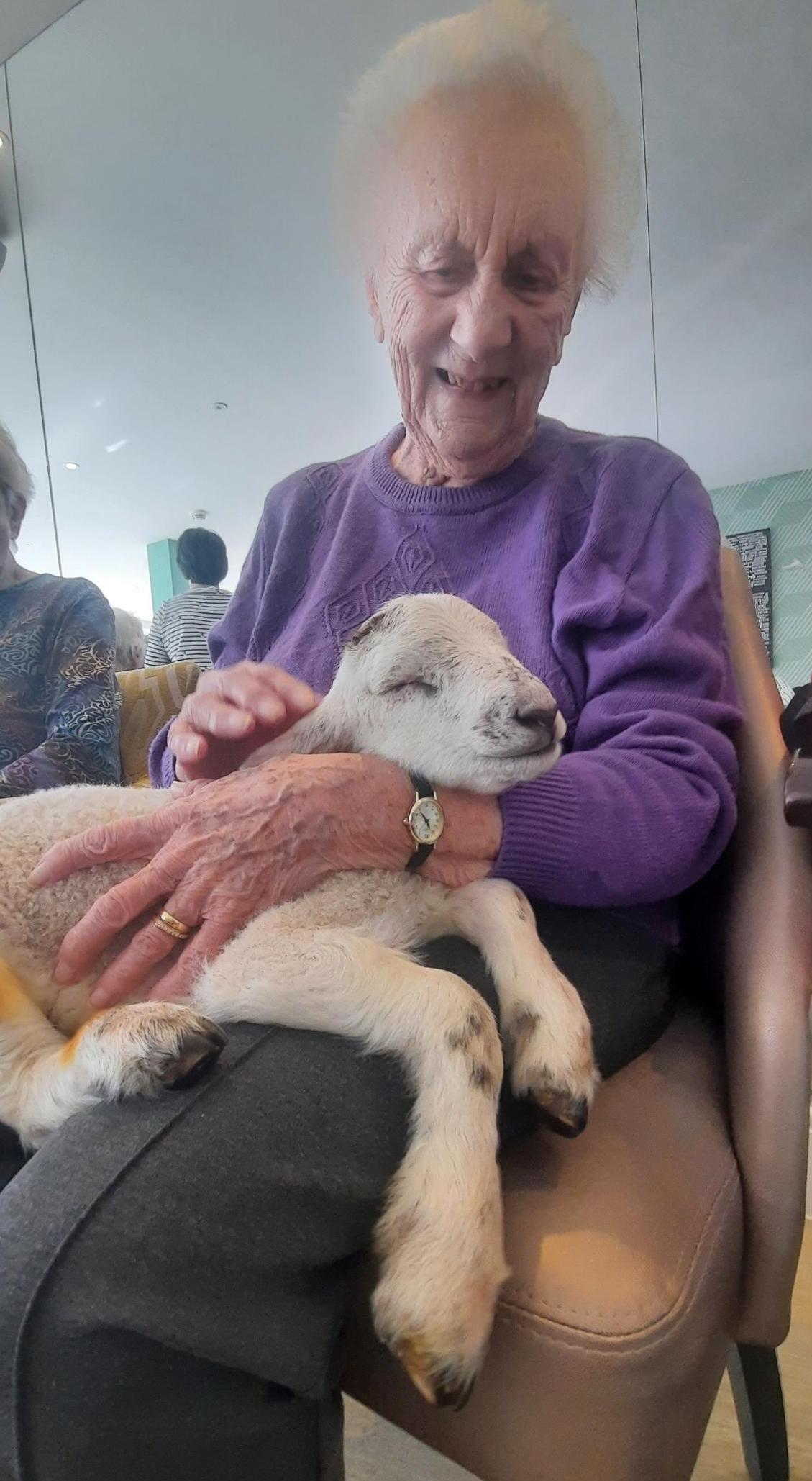
Providing activities such as residents' favourite games, social events, local community visits and regular discussions gives residents purpose and helps nurture friendships. Having control over social choices, such as when to join group activities or when to enjoy quiet time, maintains a sense of balance for people. Promoting independence in this way is extremely beneficial to residents' mental health and helps prevent loneliness or loss of motivation.

Encouraging Choice and Self-Expression
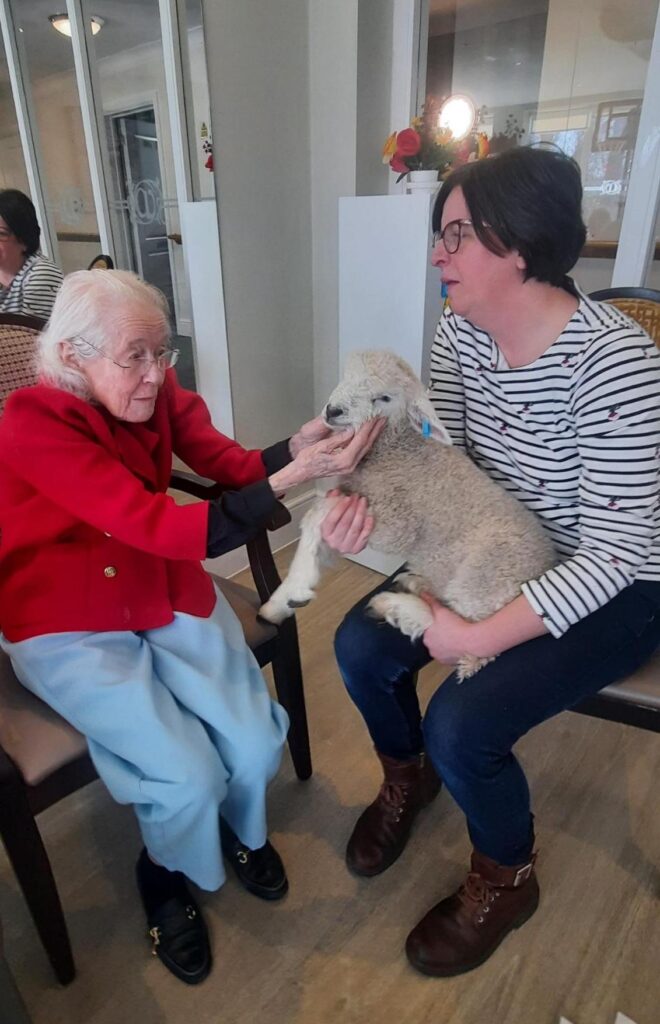
Care homes are committed to ensuring residents retain as much control as possible over their own choices. Decision-making is encouraged from the moment a resident moves in and all the way through their care journey. This sense of partnership allows residents to feel seen and heard, ensuring they can shape their own lives even while receiving professional support.
Building Confidence Through Community Engagement
A strong sense of community has many benefits for independence. By fostering relationships between residents and local community groups, care homes allow residents to stay connected with the area they call home.
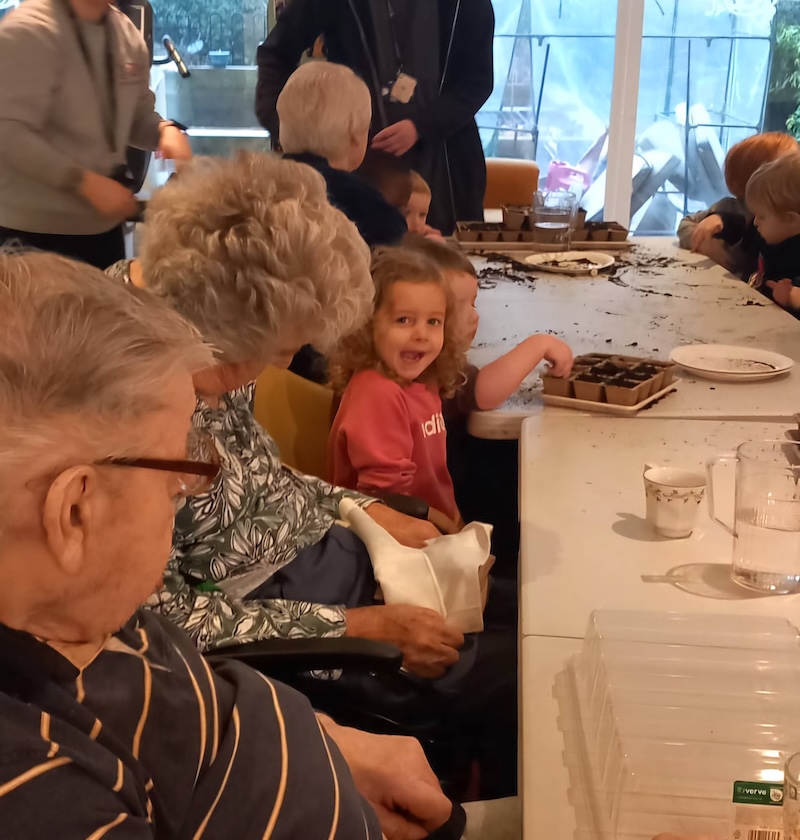
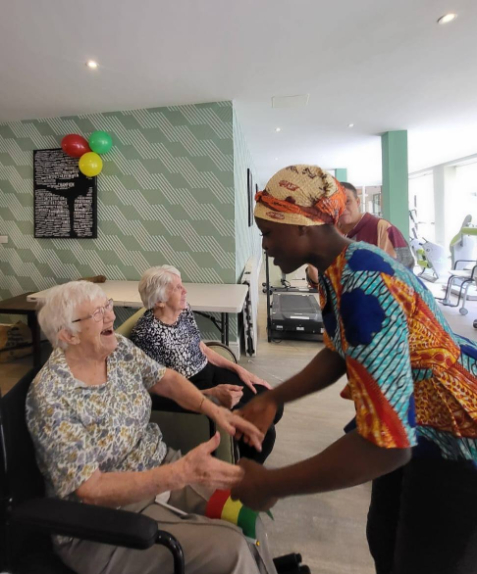
Collaborating with the local community through events or visits enhances well-being and provides opportunities to build relationships with like-minded individuals as well as people they wouldn't typically meet, such as local school children.
These experiences help residents maintain a sense of belonging and purpose. Participation in local events also builds confidence and ensures that older adults feel like valued members of their wider community.
Collaboration with Families and Care Professionals
Maintaining independence in a care home is reinforced by teamwork between residents, staff and family members. Families are encouraged to remain closely involved in their loved one’s care by attending care reviews and visiting regularly. This partnership builds trust and ensures everyone is working towards a core objective of supporting residents to live with as much independence and comfort as possible.
Care homes also have contact with social care professionals and local authorities, ensuring that the right services are in place to support people with their overall health and well-being. When everyone collaborates and communicates effectively, residents receive consistent and effective care that is completely centred around them and their choices.

Supporting Independence and Choice Through Our Care Services at The Amwell
At The Amwell Care Home in Leicestershire, promoting independence lies at the heart of everything we do. Our compassionate team provides tailored support to help each resident maintain as much control as possible over their daily life. Through personalised care planning, unlimited access to our in-house facilities, a tailored activities programme and meaningful community involvement, residents are empowered to thrive within a safe environment.
Whether someone requires our residential care, dementia care or respite care services, we ensure their individuality is respected and their independence is celebrated every day. For our residents who require or want more support, we are here to help in whatever way we can. Each resident is considered individually and holistically, meaning no two care journeys will be the same.
To learn more about the specific ways we support our residents in maintaining their independence or to come and see first-hand the difference our highly-skilled team can make, get in touch or book a tour! We can't wait to meet you.