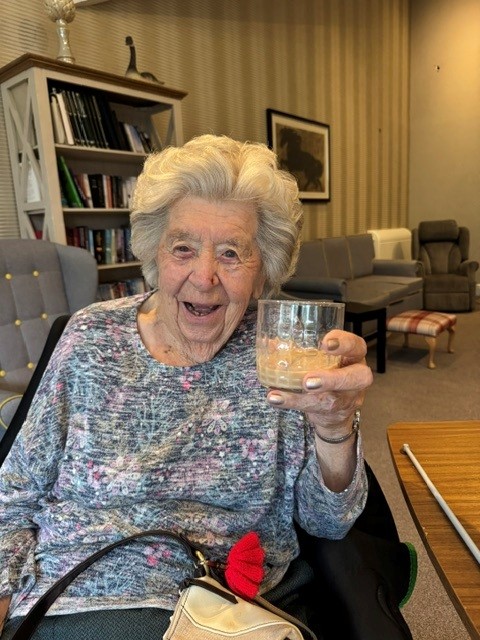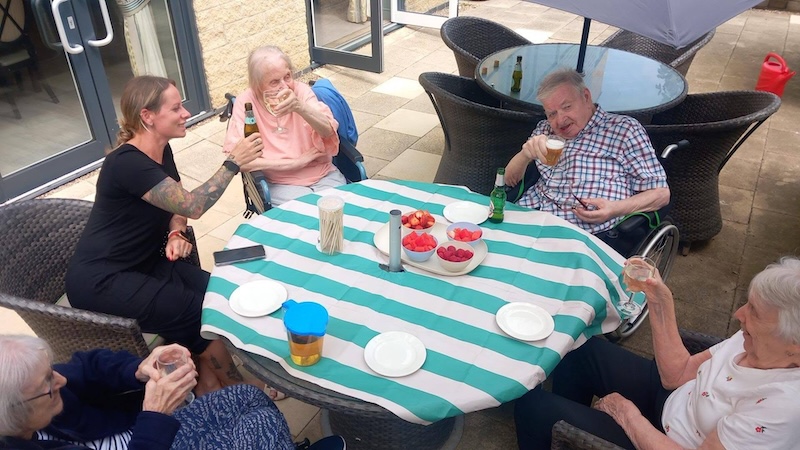

Activities play an important role in daily life in a care home, offering structure and opportunities for connection. Approximately 982,000 people are living with dementia in the UK and it affects more than just memory; it impacts behaviour and overall cognitive function. While living with dementia can be challenging, activities tailored to dementia can vastly improve quality of life for residents. Activities are chosen with care by a dedicated team of coordinators to match residents' abilities, allowing participation in a meaningful way that doesn't feel overwhelming or rushed.
In a care home, meaningful activities support residents living with dementia by encouraging social interaction to provide enjoyment throughout the day and lessen feelings of isolation. For individuals living with dementia, familiar, gentle activities offer reassurance and help maintain a sense of identity.
In this blog, we will explore the types of activities that support residents living with dementia and how they can create meaningful moments within a care home setting by boosting confidence and improving wellbeing.
Why Activities Matter
Dementia affects each person in different ways. Therefore, it is important to offer activities that are flexible and responsive. Residents' choices in activities may vary. Some may thrive with group activities, while others may prefer quieter one-to-one activities. What matters most is creating an environment where residents feel comfortable participating in activities in their own way.
Engaging Activities for Care Home Residents
Care homes with a varied activities programme guarantee that no day will be the same for residents, giving them the chance for fresh chances to try new and different things. Below, we have listed some common examples of activities you could expect to find in a care home:
Music Therapy
The power of music is undeniable when it comes to activities for residents living with dementia. Music therapy sessions can trigger memories and emotions, which can evoke memories and enhance their mood.
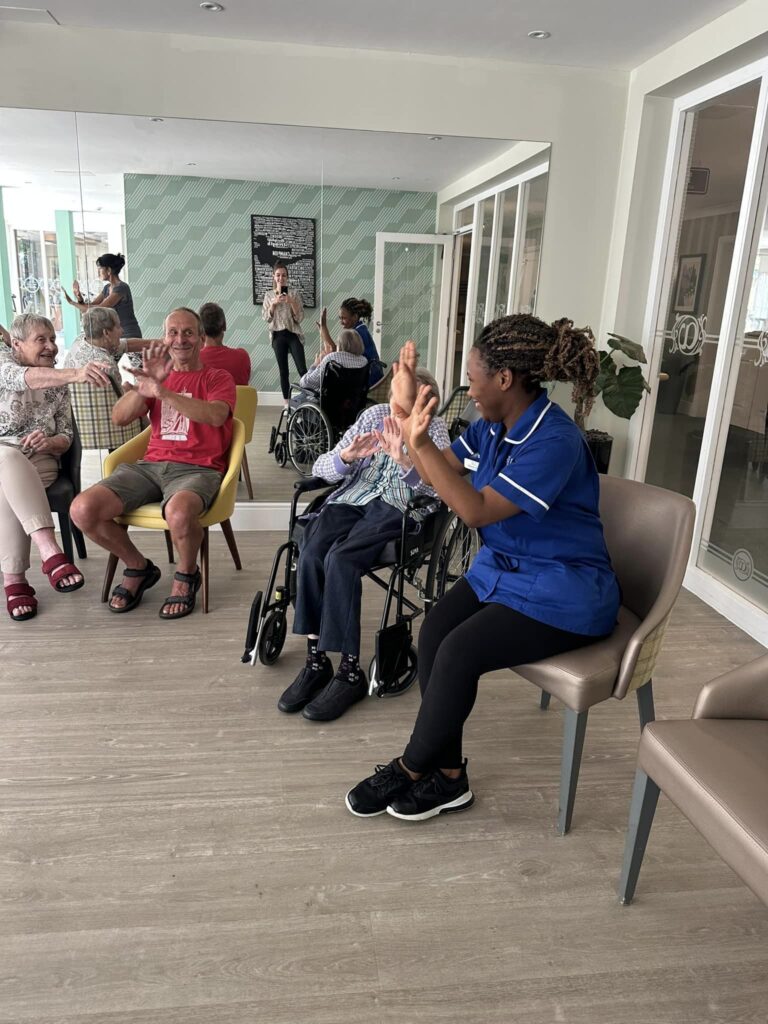
Music therapy is usually a favourite within a care home setting. Residents can get involved in group sing-alongs, or have a more relaxed one-on-one session. Engaging in rhythm-based, physical activities like dancing to music or playing instruments such as tambourines and drums offers chances for connection.
As dementia progresses, it is important to note how beneficial music therapy is. While dementia can affect speech and communication, music opens doors to opportunities that can improve speech and overall mood, as it can still create meaningful connection even when communication is difficult.
Arts and Crafts
Arts and Crafts give individuals living with dementia the opportunity to express themselves creatively and connect with others. Activities that involve creating something, such as painting and crafting, provide a sense of accomplishment and boost self-esteem, which contributes to overall well-being.
Creative workshops allow residents to take pride in their work, and completed pieces are frequently presented throughout the home to further enhance this.
Gentle Exercise and Physical Activity
Wellbeing can be greatly improved by giving residents the chance to keep active, and regular physical activity helps to maintain motor skills and improve cognitive function. Gentle exercises can range from chair yoga and tai chi to light stretching, all in an effort to support mobility as much as possible.
By offering gentle physical activities, residents at care homes in Leicestershire can feel their best as they can exercise in a laid-back environment.
Fresh Air and Time Outdoors
There are many advantages to being outside and interacting with nature, especially for individuals living with dementia. The sights and sounds of nature can all enhance mental wellbeing by lowering stress levels and offering light exercise.
A majority of care homes will have private gardens where residents can engage in gardening activities or just take the time to relax and be close to nature. In addition to being calming, gardening can serve as a creative and productive outlet, improving coordination and motor skills.
Reminiscence Therapy
Through the use of sensory stimulation, reminiscence therapy aims to bring back memories and initiate conversation for people living with dementia. By having conversations with residents about their lives and their history, they can often reconnect with themselves and remember significant times in their lives.
Reminiscence therapy can involve making personalised memory boxes for each resident. These boxes hold pictures and items from an individual's past that can be used to spark memories and trigger discussions with carers and other residents. These activities help residents feel validated and acknowledged, which is crucial for emotional health and wellbeing.
Calming Activities for Relaxation
Using essential oils and engaging in calming activities like aromatherapy can help lower anxiety and stress levels. Comfort can be found in a peaceful spa day with gentle treatments or just lounging in a chair with calming music.
Many care homes in Leicestershire have in-house hair salons that also offer hand massages or nail care, which is a relaxing way to connect with staff or simply reflect.
Helping with Household Tasks
While dementia can make it difficult for individuals to perform all daily tasks independently, giving residents the chance to perform basic household jobs can support them in feeling useful and provide a sense of worth. Tasks like watering plants, delivering newspapers, or folding laundry all contribute to an important feeling of purpose.

Encouraging Social Engagement Through Group Activities
A social aspect is crucial for preserving a sense of belonging and wellbeing, as dementia can often result in residents becoming isolated. Spending time with like-minded individuals can help them build new relationships and maintain a sociable lifestyle. Activities that can be beneficial for a group of residents may include movie nights, a baking club, or pet therapy.
Activities offered within care homes in Leicestershire are entirely centred around residents' needs and preferences. Group activities don't always have to happen at the same time every day. Some residents prefer to start their days with an activity, while others prefer them later in the afternoon. Health professionals and activities coordinators are on-site throughout the day to ensure residents can always continue to do what they love most.
Our Approach to Delivering Meaningful Activities at The Amwell
At The Amwell Care Home in Melton Mowbray, we provide a tailored programme of activities that suits the unique needs and interests of our residents to ensure there is always something for everybody to enjoy.
Our dedicated team is committed to establishing a setting where residents can flourish despite the challenges that living with dementia can present. We pride ourselves on supporting each individual in maintaining a feeling of purpose and dignity through our exceptional care and regular activities.
We warmly invite you to contact us today and find out how our approach at our Leicestershire care home to providing meaningful, person-centred activities improves quality of life for every resident.